
table of Contents
- Unlocking the Flavor Potential of Kombucha Through Second Fermentation
- Choosing the Right Ingredients for a Successful Second Fermentation
- Tips and Techniques for Perfecting Your Kombucha’s Second Fermentation Process
- Q&A
- Concluding remarks
Unlocking the Flavor Potential of Kombucha Through Second Fermentation
Second fermentation is a crucial step in the kombucha-making process that unlocks a world of flavor and effervescence. By adding fruits, herbs, or spices during this stage, you can create a symphony of taste that elevates your kombucha from a simple refreshment to a gourmet experience. Popular additions include:
- Fruits: strawberries, mango, and ginger
- Herbs: mint, basil, and lavender
- Spices: cinnamon, cardamom, and vanilla
During the second fermentation, the sugars from these additions are consumed by the yeast, producing natural carbon dioxide that results in a fizzy drink. This process can last anywhere from 3 to 7 days, allowing you to experiment with different ingredients and combinations. It’s critically important to taste your brew daily to achieve the desired level of sweetness and fizziness. The table below showcases some enticing flavor pairings and their potential benefits:
| Flavor Pairing | Benefits |
|---|---|
| Mango & Ginger | Anti-inflammatory properties |
| Strawberry & Basil | Rich in antioxidants |
| Cinnamon & Apple | Supports digestion |
Choosing the Right Ingredients for a Successful Second Fermentation
When it comes to enhancing the flavors and carbonation of your kombucha, the ingredients you choose for the second fermentation can make all the difference. Fruits, herbs, and spices are popular choices to add depth and complexity. Consider using ingredients like:
- Berries: Blueberries, raspberries, and strawberries add a vibrant color and delightful sweetness.
- Citrus Fruits: Oranges and lemons lend a zesty note that can brighten your brew.
- Ginger: Fresh or candied ginger provides a spicy kick that complements the tangy flavor of kombucha.
- Herbs: Basil,mint,and lavender can impart an aromatic quality that’s refreshing and unique.
Experimenting with the ratios of these ingredients will allow you to tailor your brew to your taste preferences. For instance,a table with suggested ratios for a balanced flavor could help guide your choices:
| Ingredient | Amount (per quart) | Flavor Contribution |
|---|---|---|
| Berries | 1/2 cup | Sweet and fruity |
| Citrus Zest | 1-2 tablespoons | Zingy and radiant |
| Ginger | 1 inch piece | Spicy and warming |
| Herbs | 1-2 sprigs | Aromatic and refreshing |
Engaging in this creative process not only enhances the taste of your kombucha but also allows for customization that reflects personal preferences. Remember that fermentation is an art, and your chosen ingredients can yield unique results, making each batch a delightful surprise.
Tips and Techniques for Perfecting Your Kombucha’s second Fermentation Process
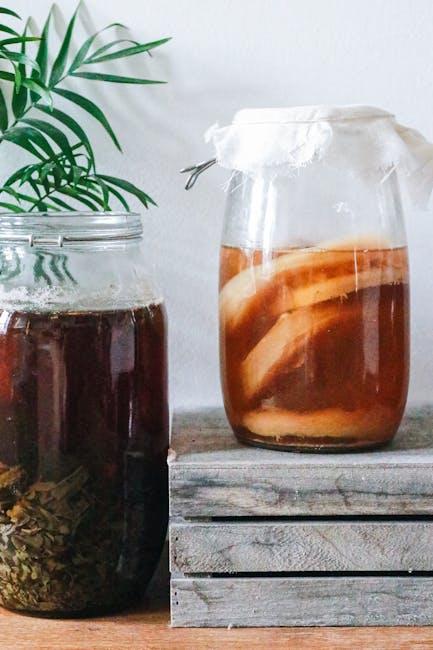
To achieve that perfect fizzy and flavorful kombucha during the second fermentation, pay attention to the ingredients and the habitat. Start with fresh fruits like berries, mangoes, or citrus to infuse vibrant flavor profiles. Chop them into small pieces to maximize the surface area, which helps release their essences into the tea. Also, consider adding herbs such as mint or ginger for an extra kick.Always taste your kombucha before bottling; this not only helps you gauge acidity but also allows for adjustments depending on your preference for sweetness and tartness.
Timing plays a crucial role in the second fermentation. Typically, it lasts between 3 to 7 days, depending on your desired level of carbonation. During this time, store your bottles in a warm, dark place to facilitate fermentation.Be vigilant! You might want to ”burp” your bottles daily to release excess pressure and prevent explosions. As you approach the end of the fermentation window, check the carbonation level regularly by opening a bottle. If bubbles rise to the top and the kombucha has a pleasant tang, it’s ready for refrigeration. For storage and serving, use dark glass bottles to avoid light exposure, which can degrade the quality of your kombucha.
Q&A
Q&A: Kombucha Second Fermentation
Q1: What is kombucha second fermentation?
A: Kombucha second fermentation is the process where brewed kombucha undergoes a second fermentation after the initial fermentation phase. During this time, you add flavorings-like fruits, herbs, or spices-to enhance taste and carbonation. This step not only intensifies the flavors but also increases the fizz,resulting in a more refreshing beverage.
Q2: Why is second fermentation important?
A: The second fermentation is crucial for achieving a more complex flavor profile and effervescence. While the first fermentation primarily focuses on the fermentation of sugars into alcohol and beneficial acids by the SCOBY (Symbiotic Culture of Bacteria and Yeast), the second fermentation allows for the development of secondary flavors and carbonation. It also ensures that your kombucha is ready to sip and enjoy right from the bottle!
Q3: How do I perform a second fermentation?
A: Performing a second fermentation is relatively straightforward.After your initial fermentation is complete, remove the SCOBY and pour the kombucha into clean, airtight bottles, leaving some space at the top. Add your desired flavorings-like pieces of ginger, berries, or herbs-then seal the bottles tightly and let them sit at room temperature for 3 to 7 days. Remember to check for carbonation by gently opening a bottle each day!
Q4: What are some popular flavoring options for second fermentation?
A: The possibilities are endless when it comes to flavoring your kombucha! Popular choices include fresh fruits (such as strawberries, mangoes, and apples), herbs (like mint or basil), and spices (such as ginger or cinnamon).You can even add dried fruits or botanicals for unique blends. Experimenting with flavors is part of the fun-find what excites your palate!
Q5: How can I ensure the carbonation is just right?
A: Achieving the perfect carbonation involves a bit of patience and a watchful eye. Start with small amounts of flavoring,as too much can lead to excessive pressure. After bottling, burp your bottles daily by opening them slightly to release gas. This will help you gauge the carbonation level and prevent any exploding bottles. Once you’ve reached your desired fizziness, refrigerate the kombucha to halt further fermentation.
Q6: Can I skip the second fermentation?
A: While it’s not mandatory, skipping the second fermentation may lead to a less flavorful and flat kombucha. The initial fermentation yields a tangy drink, but the second fermentation elevates the taste and effervescence. If you’re short on time or prefer a milder beverage,you can drink your kombucha after the first fermentation,but you might miss out on that delightful burst of flavor!
Q7: Is second fermentation safe?
A: Yes,second fermentation is safe when done correctly. Make sure to use clean bottles and utensils, and monitor your brew during the fermentation process. Always keep the kombucha at room temperature and refrain from using airtight containers that can’t withstand pressure build-up. If you notice any strange smells or mold, it’s best to discard that batch.
Q8: How long can I store my second-fermented kombucha?
A: Properly stored, second-fermented kombucha can last for about 1 to 3 weeks in the refrigerator.The cold temperature will slow down the fermentation process substantially, preserving the flavor and carbonation. However, enjoy it sooner rather than later for the best taste and effervescence!
Q9: What happens if I leave it too long during second fermentation?
A: If you leave your kombucha too long during the second fermentation, it may become over-carbonated or develop unwanted off-flavors. In extreme cases,it can lead to bottles bursting due to pressure build-up. It’s critically important to taste your brew daily to determine its readiness and avoid these pitfalls.
this Q&A aims to provide clarity and guidance on the fascinating process of kombucha second fermentation, inviting you to engage in your own brewing journey!
Concluding remarks